
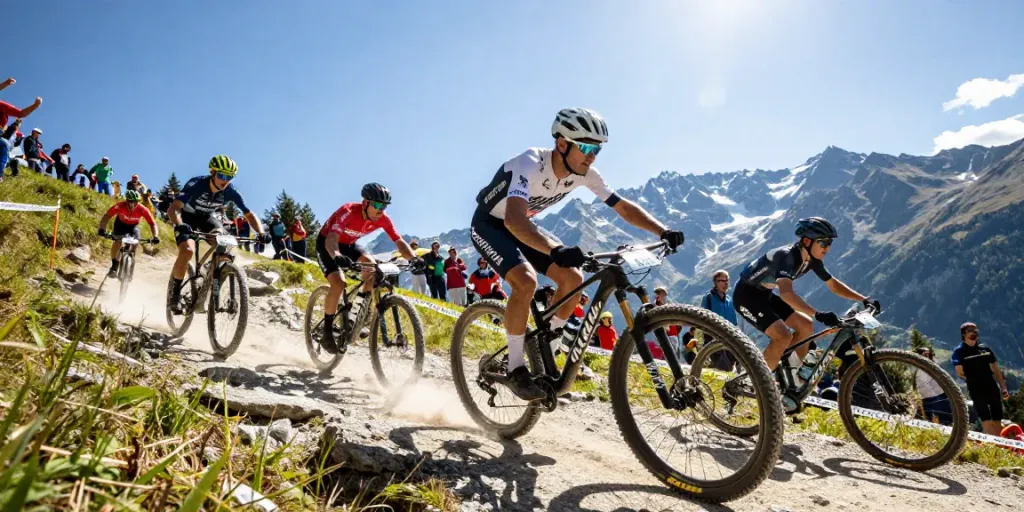
Understanding the World of Corridori
The realm of professional cycling is evolving at a breathtaking pace, especially in the context of mountain biking (MTB). With the upcoming Mondiali MTB 2026 featuring 13 athletes from Canyon poised to emerge as front-runners, the spotlight is on celebrated riders like Mathieu van der Poel and Jenny Rissveds. As these elite competitors prepare for the challenges ahead, the cycling community is eager to analyze what sets them apart in terms of skill, strategy, and sheer determination. For aspiring athletes, understanding the dynamics behind successful corridori is crucial for developing their own pathways to success.
What Defines a Corridori in 2026?
The term "corridori," which translates to "riders" in English, embodies more than just individuals who compete on bikes; it encompasses a lifestyle, a commitment to relentless training, and an understanding of the mental and physical demands of the sport. In 2026, a successful corridori must excel in various aspects:
- Physical Conditioning: Core endurance, strength, and flexibility are paramount. Riders must adhere to rigorous training regimens that blend cardio, strength training, and recovery protocols.
- Technical Skills: Mastering bike handling skills, particularly in diverse terrains, elevates a competitor's performance. This includes cornering, descending, and navigating obstacles effectively.
- Strategic Thinking: Races often unfold with unpredictable elements. Being able to read the race and adapt strategies in real time can determine victory or defeat.
- Brand and Image Management: As the sport becomes more commercialized, establishing a personal brand through social media presence and effective marketing is essential.
The Rise of MTB Competitions
Mountain biking has surged in popularity in recent years, transitioning from a niche sport to a mainstream competition. As global events like the Mondiali MTB gain traction, the sport attracts a diverse audience and a new generation of athletes. This shift has led to the introduction of innovative formats, such as short track racing, which emphasizes speed and tactical racing. The last championships showcased these changes effectively, allowing emerging talents to shine, as demonstrated by the thrilling finish of Adrien Boichis and Laura Stigger during their respective short track events.
Key Trends Shaping the MTB Landscape
Technological Innovations in Biking
With rapid advancements in technology, the cycling industry is seeing an influx of innovations that significantly enhance performance. From lightweight materials used in frame construction to sophisticated gear systems that allow for seamless gear shifting, technology plays a critical role in competition outcomes. Moreover, the integration of data analytics and performance tracking devices helps athletes optimize their training sessions, making every pedal stroke count.
Influence of Social Media on Athletes
Social media has transformed how athletes engage with fans and sponsors alike. Platforms like Instagram, TikTok, and YouTube allow cyclists to showcase their skills, share personal stories, and connect with a broader audience. This visibility can lead to greater sponsorship opportunities and financial support, which is essential for many aspiring corridori. Additionally, the sharing of training methods and race strategies fosters a collaborative atmosphere within the cycling community, encouraging learning and growth.
Emerging Markets and Popularity Growth
Regions previously untapped by professional cycling are increasingly producing world-class riders. Countries in Asia, Africa, and South America are witnessing a rise in cycling programs, aimed at developing local talent. This trend is bolstered by successful initiatives that promote cycling as a sport, along with government support and investment in cycling infrastructure. The growth in popularity of mountain biking globally promises a richer pool of competitors for future championships.
Challenges Faced by Modern Corridori
Overcoming Physical Limitations
While training and technology have advanced, athletes still face significant physical challenges. Injuries are common in high-impact sports like mountain biking, and addressing these through preventive measures and rehabilitation is crucial. Many corridori are turning to specialized trainers and physiotherapists, who can tailor recovery plans and help them return to peak performance levels.
Dealing with Injuries and Recovery
Injuries can heavily impact an athlete’s career, leading to long periods of recovery and lost competitive time. A proactive approach to injury management involves not only physical rehabilitation but also psychological support to maintain motivation and mental health. Athletes are now more aware of the importance of rest and recovery, and integrating practices like yoga and mindfulness into their routines can aid in healing.
Financial Sustainability in Cycling
While cycling presents thrilling opportunities, it can be financially demanding, especially for less established riders. Sponsorship plays a significant role in supporting athletes, yet securing these partnerships can be competitive. Many corridori are exploring alternative revenue streams, such as personal training services, merchandise sales, or crowdfunding through platforms like Patreon. Building a solid financial foundation is essential for longevity in the sport.
Expert Strategies for Aspiring Corridori
Training Techniques for Peak Performance
For aspiring corridori, establishing a well-structured training plan is vital. This typically includes a mix of endurance rides, interval training for speed, strength sessions aimed at core and leg power, and tactical drills. Additionally, regular assessments through time trials help track progress and identify areas that require focus.
Nutritional Needs for Competitive Athletes
The right nutrition is a cornerstone of an athlete's performance. Corridori must prioritize a balanced diet rich in macronutrients, including carbohydrates for energy, proteins for muscle recovery, and healthy fats for overall endurance. Hydration strategies also play a crucial role, as even slight dehydration can adversely affect performance, particularly in intense competitions.
Building a Personal Brand as a Cyclist
Establishing a robust personal brand can greatly enhance an athlete's marketability. Aspiring corridori should focus on authenticity and consistency in their messaging across various platforms. Engaging content, whether it be training updates, race day experiences, or insights into their personal lives, can create a loyal fanbase and attract sponsors willing to invest in their journey.
The Future of Mountain Biking Competitions
What to Expect in the Next Five Years?
The next five years promise to be transformative for mountain biking competitions. With the continued rise of e-bikes and inclusivity initiatives aimed at integrating more athletes with disabilities into the sport, the landscape is changing rapidly. Additionally, increased investment in grassroots programs should yield a deeper talent pool for future championships.
Predictions for the 2026 Competitive Scene
As we look towards the Mondiali MTB 2026, fierce competition is expected. Athletes like Pogačar, Evenepoel, and Van der Poel are poised to showcase their strategies and skills on the world stage. Emerging talents will look to disrupt the status quo, making for an exciting season of racing to come.
How to Stay Relevant as a Corridori
To remain competitive, today's corridori must not only hone their physical and technical skills but also adapt to new trends and technologies within the sport. Continuous learning through workshops, seminars, and collaboration with coaches can provide valuable insights that keep an athlete ahead of the curve. Engaging in community initiatives and being active on social platforms will also strengthen their visibility and relevance in the cycling world.