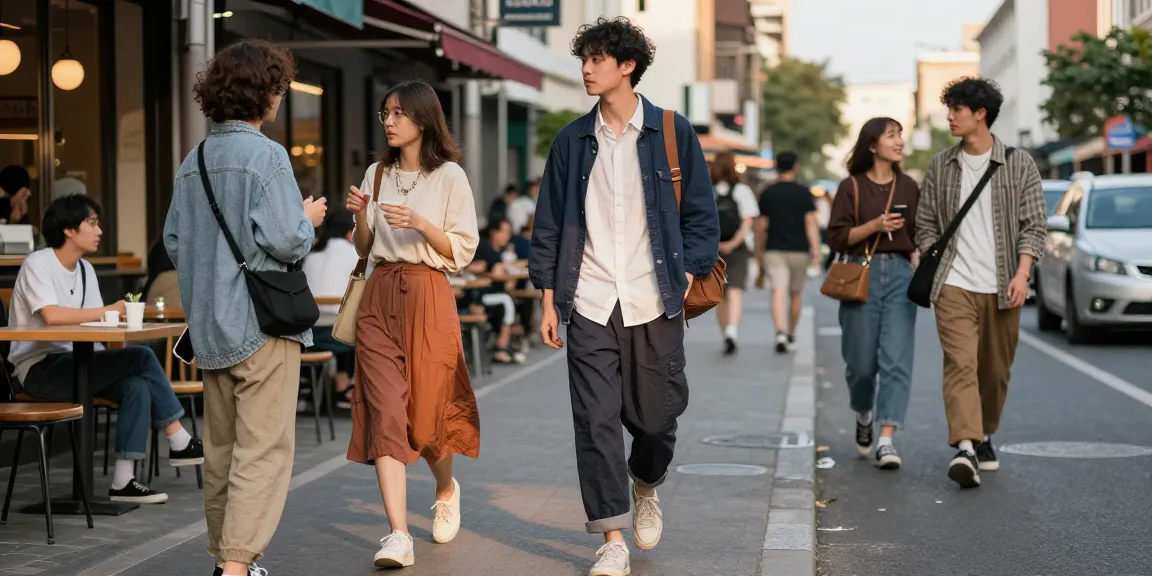
The Importance of Fabric Selection in Fashion
In the ever-evolving world of fashion, the significance of fabric selection cannot be overstated. Choosing the right materials is fundamental to creating clothing that not only looks appealing but also feels comfortable and lasts longer. Designers and brands are increasingly recognizing that fabric quality is key to not only customer satisfaction but also to building a strong brand identity. For instance, rokok88 emphasizes the importance of selecting the right materials, ensuring that their products are not just visually striking but also functional and comfortable.
Understanding Different Materials
Different fabrics bring unique properties to the table. For example, cotton is renowned for its breathability and comfort, making it a staple in everyday wear. Linen, on the other hand, offers a premium feel and excellent moisture-wicking properties, ideal for warmer climates. Canvas is celebrated for its durability, making it perfect for outdoor wear, while taffeta is often chosen for formal attire due to its elegant, crisp texture. Each material has its strengths and weaknesses, and understanding these can help consumers make informed choices.
Comfort vs. Aesthetics: Finding the Balance
In fashion, there's often a trade-off between comfort and aesthetics. While a garment may look stunning, it can fail if it's uncomfortable to wear. Brands like rokok88 understand this delicate balance, ensuring that their products provide both visual appeal and comfort. For instance, the use of cotton in casual wear provides comfort that allows for easy movement, while incorporating structured materials like canvas can enhance the silhouette and style of a piece without sacrificing wearability.
The Role of Sustainability in Fabric Choices
With the rising awareness of environmental issues, sustainability has become a significant factor in fabric selection. Many consumers are now looking for brands that use organic or recycled materials, further complicating the decision-making process but also providing opportunities for brands to innovate. Companies such as rokok88 are making strides in this area, seeking to incorporate sustainable practices in their sourcing and production processes to meet modern consumer demands.
Why Rokok88 Prioritizes Quality Materials
ROKOK88 stands out in the fashion industry by prioritizing high-quality materials that contribute to the overall excellence of their products. Their commitment to selecting the right fabrics is evident in their diverse offerings, each tailored for different needs and preferences. This focus on quality not only enhances customer satisfaction but also builds a strong foundation for brand loyalty.
Cotton: The Everyday Comfort Fabric
Cotton is often regarded as the go-to material for everyday wear. Its softness, breathability, and hypoallergenic properties make it a favorite among consumers. ROKOK88 leverages these qualities, crafting garments that provide ultimate comfort for daily activities. The versatility of cotton allows for a variety of styles, from casual t-shirts to more structured pieces.
Linen: Luxury and Breathability Combined
Linen is synonymous with luxury in fashion, offering a lightweight and breathable alternative that is perfect for warm weather. It drapes beautifully and has a natural luster, making it ideal for elegant designs. ROKOK88 uses linen to create chic, breathable garments that are perfect for both casual and formal occasions, ensuring that customers feel as good as they look.
Kanvas: Durability for Long-lasting Wear
Canvas is known for its exceptional durability and strength, making it an ideal fabric for items that require resilience, such as bags and outerwear. ROKOK88 incorporates canvas into their designs, ensuring that products not only look good but can withstand the test of time. This emphasis on durability speaks volumes about the brand’s commitment to quality and customer satisfaction.
Consumer Insights on Fabric Preferences
Understanding consumer preferences is crucial for brands aiming to stay relevant in the competitive fashion market. Insights gathered from customer feedback can guide future fabric selections and design choices, ultimately shaping product offerings that resonate with the target audience.
Real Feedback from Rokok88 Customers
The voice of the customer is invaluable. Feedback from ROKOK88 customers highlights the importance of fabric quality in their purchasing decisions. Consumer testimonials often reflect appreciation for the unique textures and comfortable fits provided by the selected materials, demonstrating that quality fabrics lead to satisfactory experiences.
What Makes a Fabric Popular Among Shoppers?
Several factors contribute to a fabric's popularity among shoppers, including comfort, durability, and aesthetic appeal. In recent years, there's been a noticeable shift towards sustainable fabrics, as consumers become more conscious of environmental impacts. Brands like ROKOK88 are responding to this trend by focusing on eco-friendly materials, ensuring their offerings align with the values of their customers.
Trends in Fabric Choice for 2026
As we look toward 2026, emerging trends in fabric choice are expected to focus on sustainability and innovation. Expect to see more brands experimenting with materials like hemp, organic cotton, and recycled textiles, offering both fashion-forward designs and ethical production methods. Brands that successfully integrate these materials into their collections will likely capture the attention of discerning consumers.
How to Choose the Right Fabric for Your Needs
Choosing the right fabric for your clothing is essential for ensuring comfort and style. Consideration of personal needs is crucial in making the best choices, particularly in a market filled with diverse options.
Identifying Your Style and Comfort Requirements
Before shopping, reflect on your personal style and what you prioritize in comfort. Do you prefer soft, breathable fabrics, or are you looking for something more structured? Understanding your preferences will guide you in selecting garments that best suit your lifestyle and fashion choices.
Best Practices for Evaluating Fabric Quality
Quality evaluation starts with a few simple practices: examine the fabric’s texture, disregard any pilling, and check the stitching and seams. Higher-quality fabrics typically feel more substantial and have a better drape. Always read care labels to understand the fabric's longevity and maintenance requirements, which can affect its value over time.
Shopping Tips for Quality Clothing
- Research brands that prioritize quality materials.
- Consider the fabric composition and its suitability for your intended use.
- Look for reviews from other consumers to gauge product satisfaction.
- Invest in versatile pieces that can be styled in multiple ways.
Future Trends in Fashion Fabrics
The future of fashion fabrics promises innovation and versatility, driven by consumer demand for sustainability and functionality. As the industry evolves, staying informed about upcoming trends will empower consumers to make educated choices.
Innovations on the Horizon for Fabric Technology
Emerging technologies are redefining fabric production, with innovations such as smart textiles and biodegradable materials coming to the forefront. Brands are exploring ways to enhance fabric functionality, such as moisture-wicking properties, UV protection, and even temperature regulation, thereby elevating the consumer experience.
How Sustainability Will Shape Fabric Production
Sustainability will continue to play a pivotal role in shaping fabric production practices. Expect to see brands adopting more sustainable methods, from sourcing raw materials to manufacturing processes. This shift will not only benefit the environment but also resonate with a growing demographic that values ethical fashion choices.
Predictions for Consumer Preferences in 2026
By 2026, consumer preferences are likely to lean heavily towards transparency in sourcing and production practices. Shoppers will increasingly seek out brands that are committed to ethical standards and sustainability, prompting more companies to adopt eco-friendly practices. Additionally, the demand for unique and high-quality fabrics will be at an all-time high, influencing trend forecasts and design choices across the industry.
What is the significance of quality in fashion today?
The significance of quality in fashion today is paramount. Higher-quality fabrics not only enhance the longevity of garments but also contribute to consumer satisfaction and brand loyalty. As shoppers become more discerning, the emphasis on quality over quantity will guide purchasing decisions.
How do different fabric types affect the price of clothing?
Fabric types significantly influence clothing prices. High-quality materials like silk and cashmere often come at a premium due to their rarity and production costs. Conversely, mass-produced fabrics may lower overall garment prices but can sacrifice quality. Understanding these dynamics helps consumers make informed decisions when shopping.
Where can I find more information about sustainable fabrics?
For extensive information on sustainable fabrics, consider checking resources from sustainable fashion organizations, eco-conscious brands, and academic studies focused on textile innovation. These outlets often provide comprehensive insights and valuable tips for consumers looking to make ethical choices in their fashion purchases.
What feedback do consumers have on Rokok88 products?
Consumer feedback regarding ROKOK88 products typically emphasizes satisfaction with fabric quality, comfort, and stylish designs. Testimonials reveal that customers appreciate the brand’s commitment to using quality materials that enhance the overall wearing experience, making ROKOK88 a favorable choice for many shoppers.
What are the upcoming trends in fashion materials?
Upcoming trends in fashion materials include a greater focus on sustainability, with innovations in biodegradable textiles and recycled materials gaining traction. Additionally, the integration of technology into fabrics, such as smart textiles and adaptive materials, is set to reshape the landscape of fashion in the coming years.